📄 Top Article 📄
Millennia Game Review - A Little-known Strategy Gem! [...]
Author: Guru Game Guides[ GameTikker ]
⇄ Latest Gaming News ⇆
Weekly Special
Homeworld 3
launches on May 13
Read more...
Fleet Command online! Advance Access has begun for players with Fleet Command Editions (included in the physical
Collector’s Editions) and Fig Backer Editions of Homeworld 3.
Homeworld 3 will officially launch on May 13 for all players. Upgrade your game edition by purchasing the Fleet
Command Upgrade to start playing now.
[ Source: Steam ]
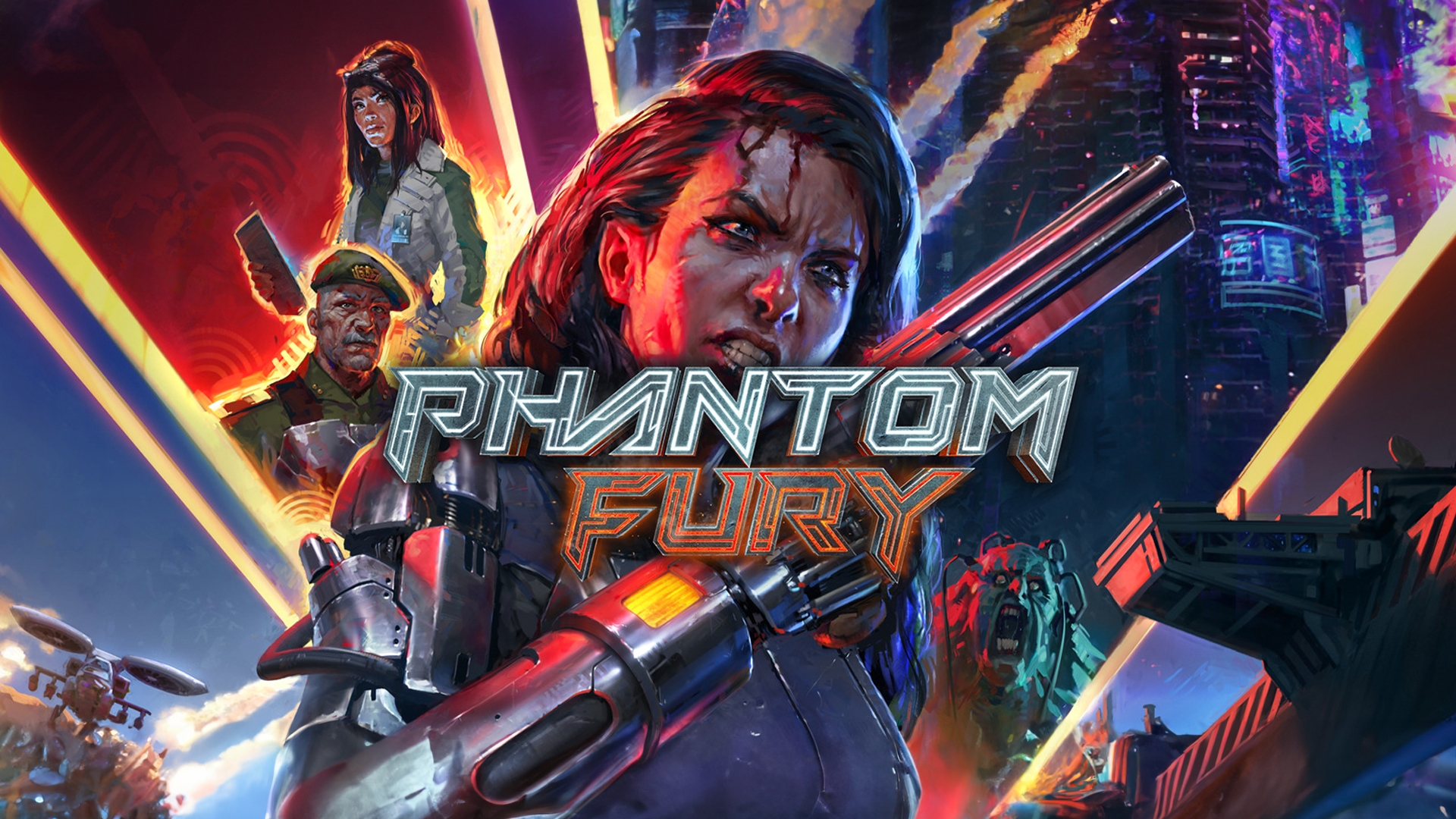 Phantom Fury - PC Review [...]
[ Source: thumbculture ]
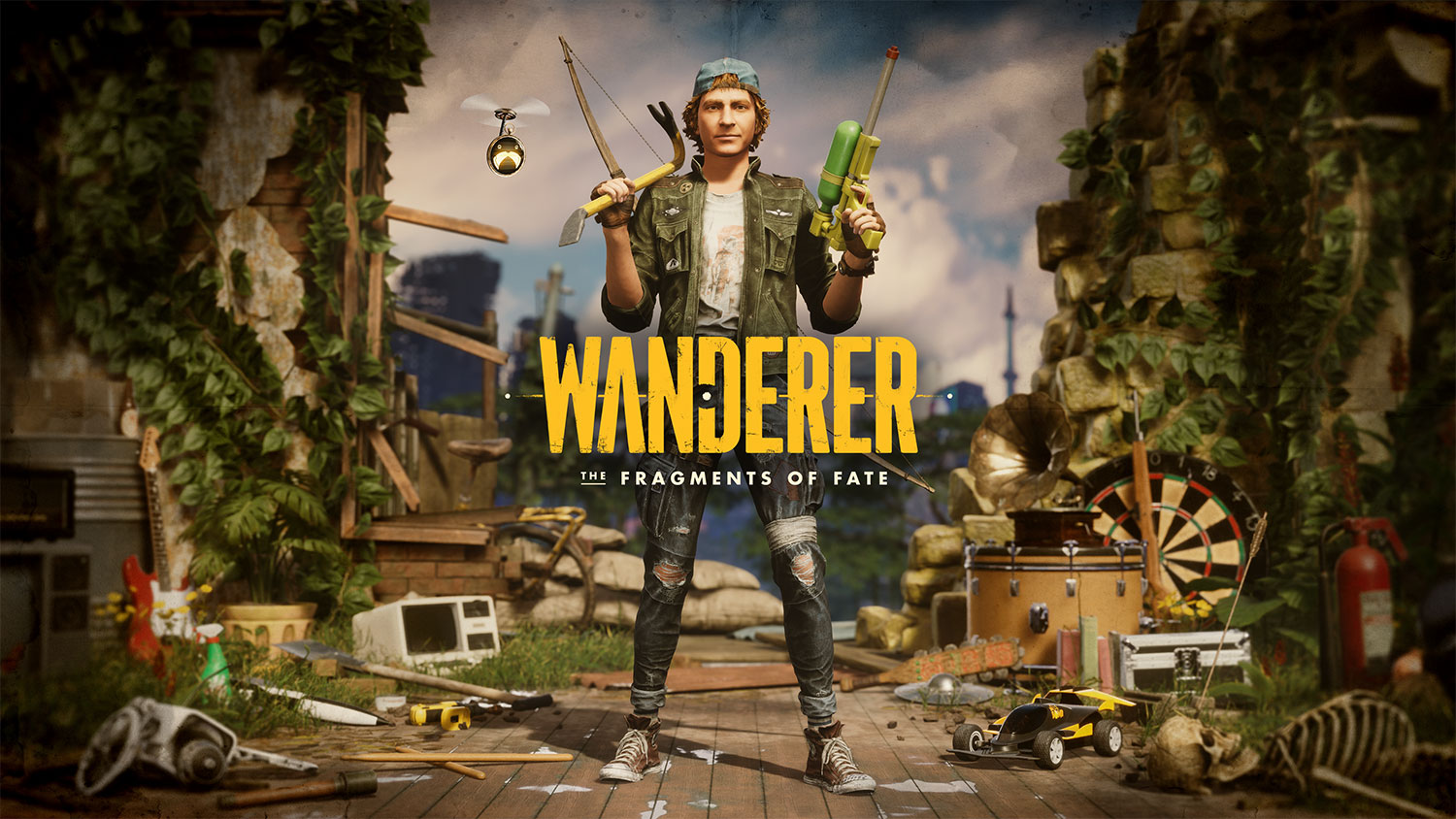 Wanderer Remake Takes a Little More Time Reaching its Destination [...]
[ Source: XR Source ]
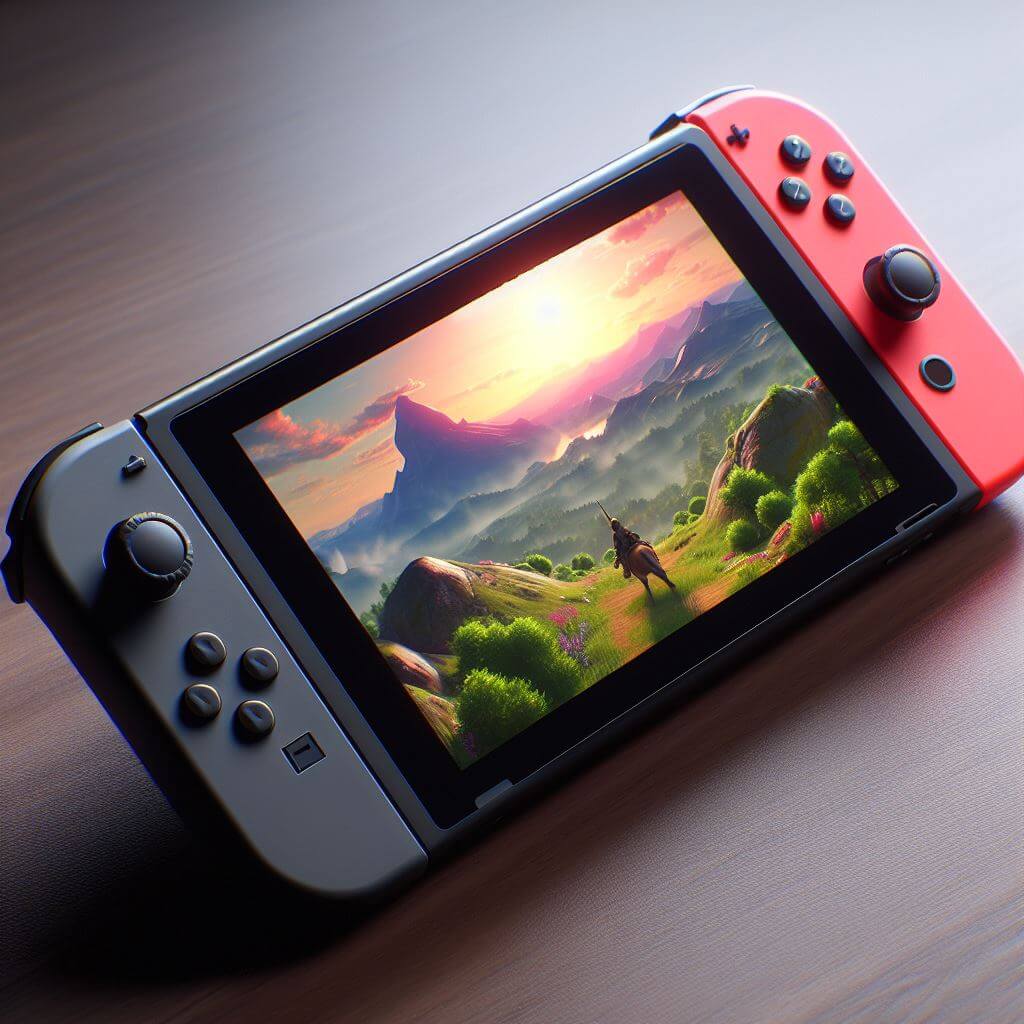 Nintendo Switch 2 manufacturing info provides possible specification leaks - Rumor [...]
[ Source: My Nintendo News ]
TL;DR Gaming News Today
Anima Flux - Discover Anima Flux, a thrilling co-op metroidvania game with stunning
hand-drawn visuals! Add it to your Steam wishlist now and join the adventure!
[ GameTikker ]
 Ghost Of Tsushima: Director’s Cut On PC Has Been Delisted On Steam From 180 Countries [...]
[ Source: PSU ]
Guardian News
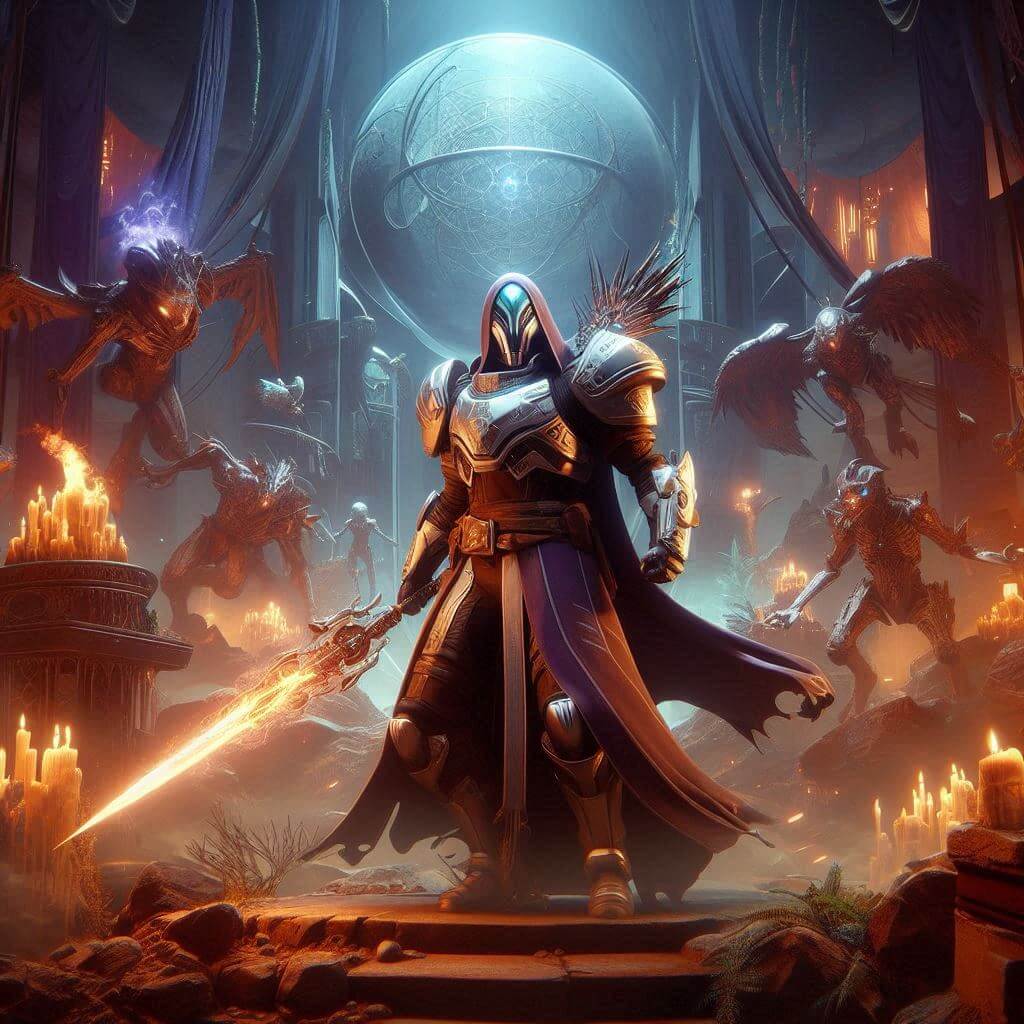
The exotic mission Zero Hour will return on May 14.
A new exotic ship called "Unforeseen Consequences" was added to the Destiny database.
The Season of the Wish final mission could take place in the Garden of Salvation.
[ GameTikker ]
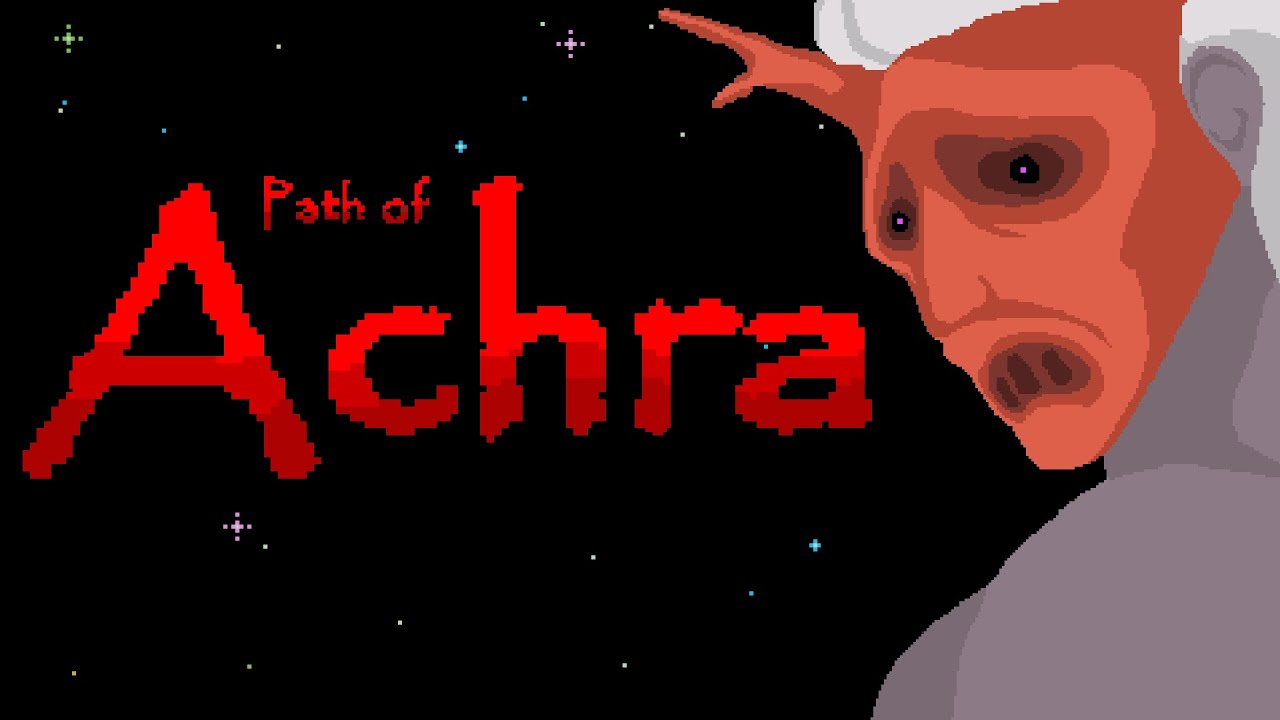 Charming yet brutal turn-based roguelike Path of Achra leaves Early Access [...]
[ Source: Rogueliker ]
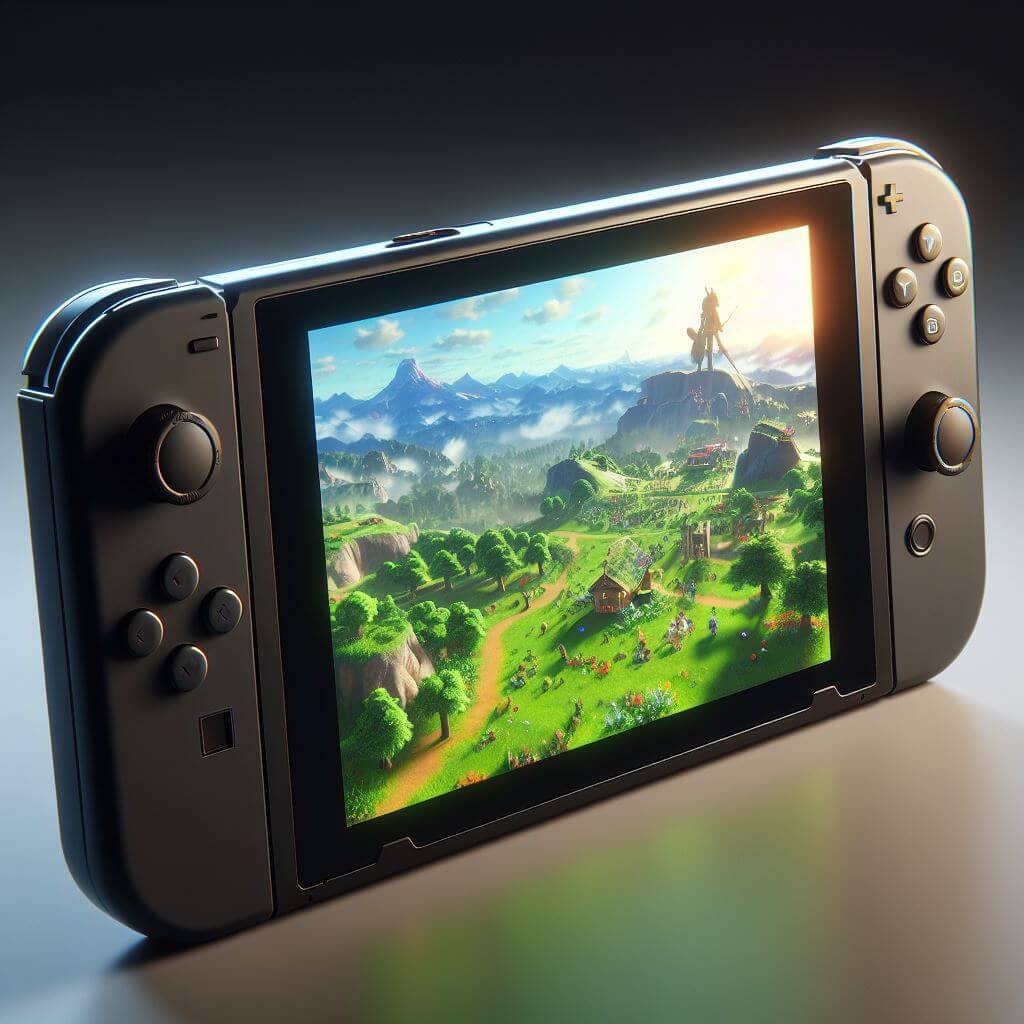 Nintendo to unveil successor to Switch before April 2025 [...]
[ Source: VideoCardz ]
Gaming Gossip

Warner Bros. apparently lost $200 Million Dollar on the Suicide Squad: Kill the Justice League Game.
The Live Service Game was a financially disappointing Release for the publisher Warner Bros. and the developer Rocksteady Studios.
[ GameTikker ]
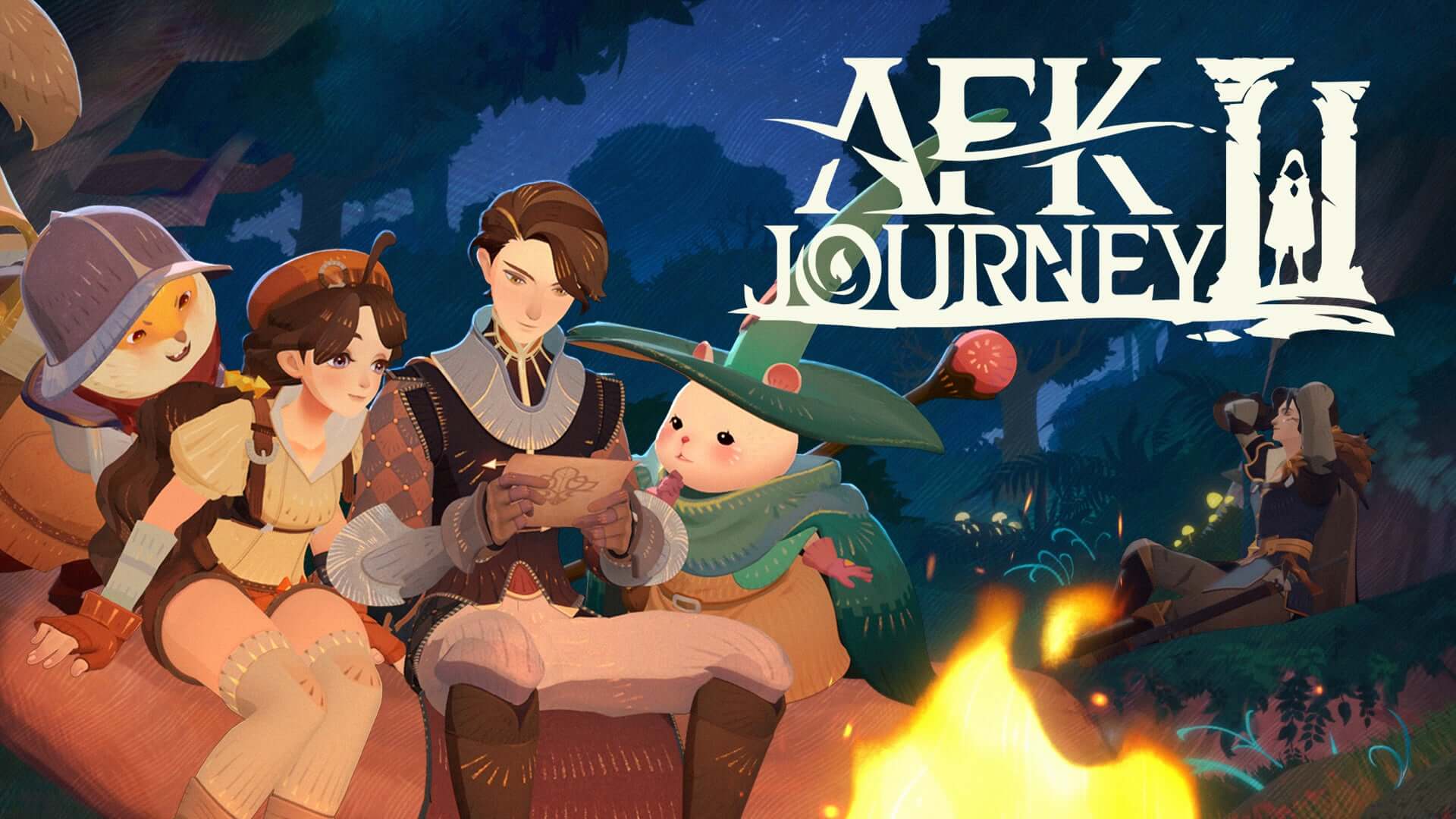 AFK Journey moves to the desert with Song of Strife update [...]
[ Source: VentureBeat ]
TL;DR Gaming News Today
Guardians of the Sanctree - Embark on an Epic Adventure! Discover the hidden wonders of the underground and forge a
grand birdmen empire in Guardians of the Sanctree! Watch the new trailer and experience the free playtest on Steam now!
[ GameTikker ]
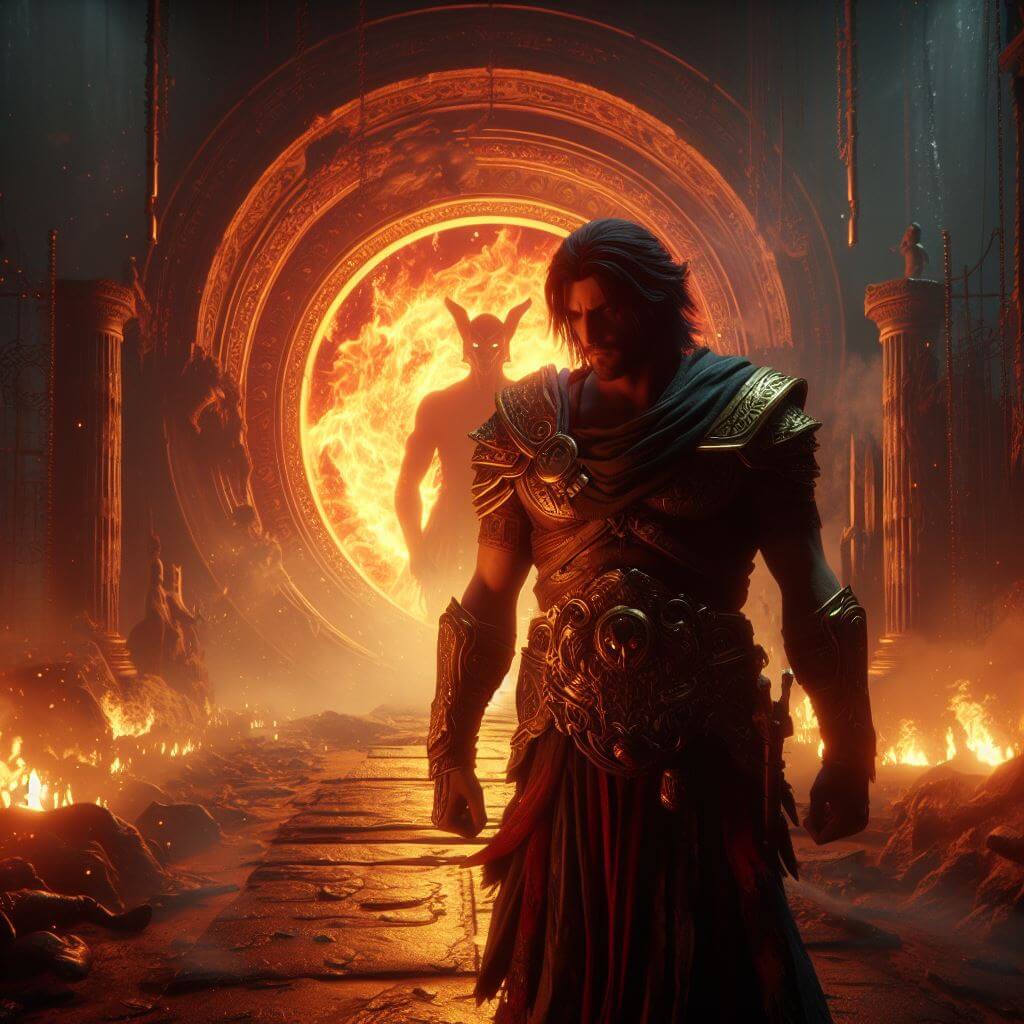 Hades 2 Smashes Early Access Release, Achieving 11K Overwhelmingly Positive Reviews [...]
[ Source: Prima Games ]
 10 Best PlayStation 2 Stealth Games [...]
[ Source: Altar of Gaming ]
 Valorant Temporarily Removes Several Skins Due to Exploit [...]
[ Source: Esports Driven ]
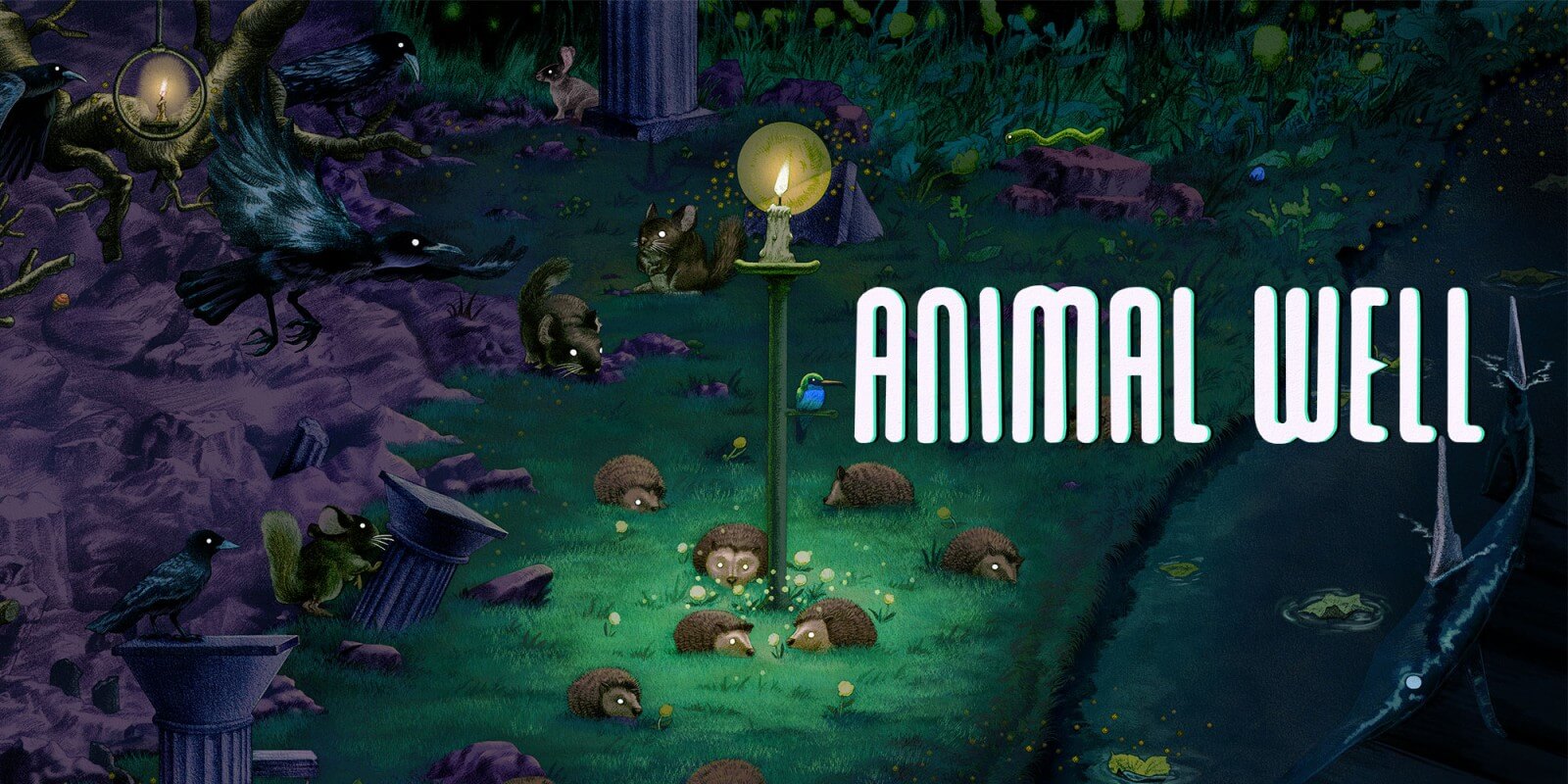 Animal Well - Review [...]
[ Source: Metro ]
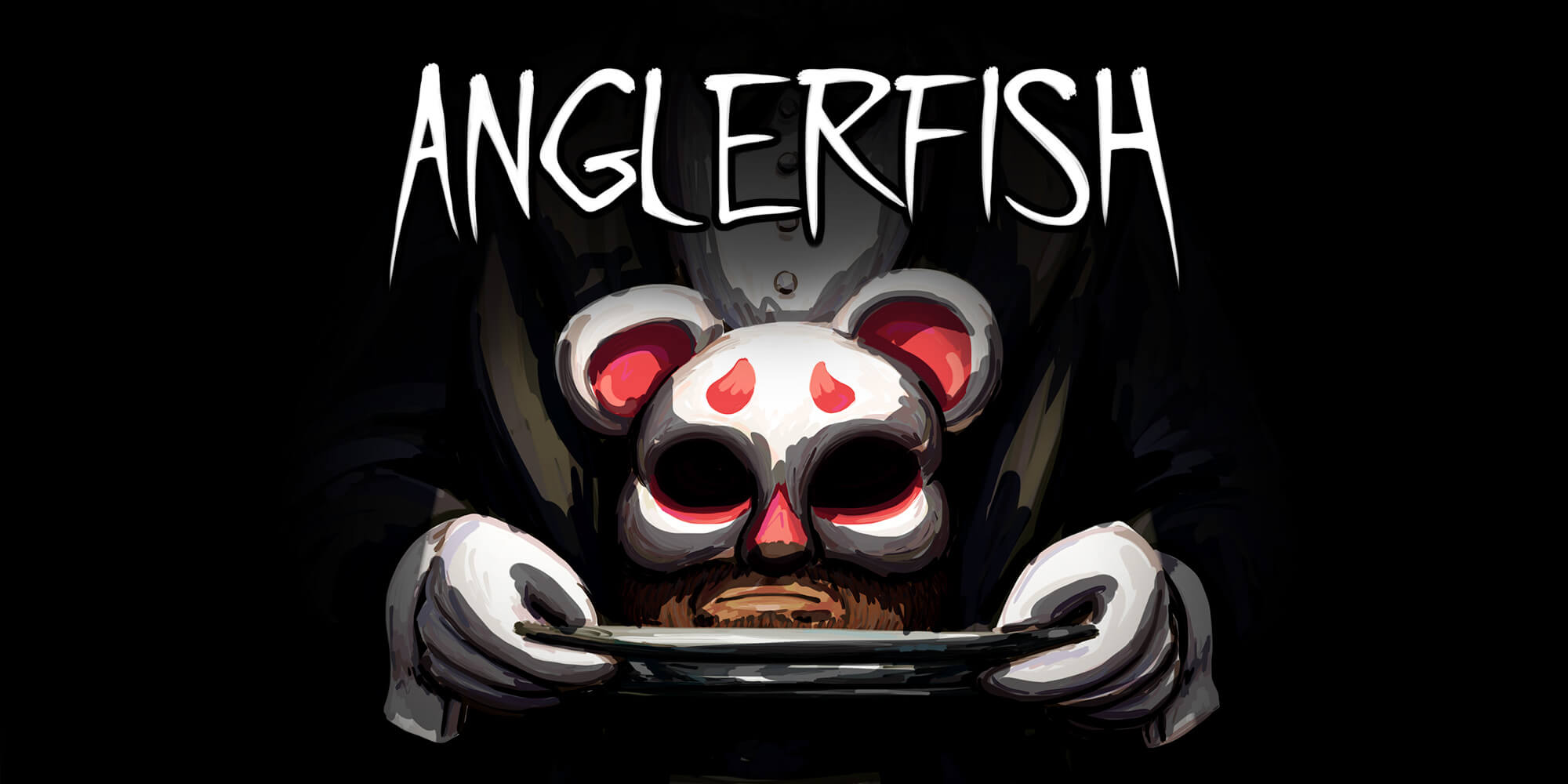 Anglerfish - Review (Nintendo Switch) [...]
[ Source: Pure Nintendo ]
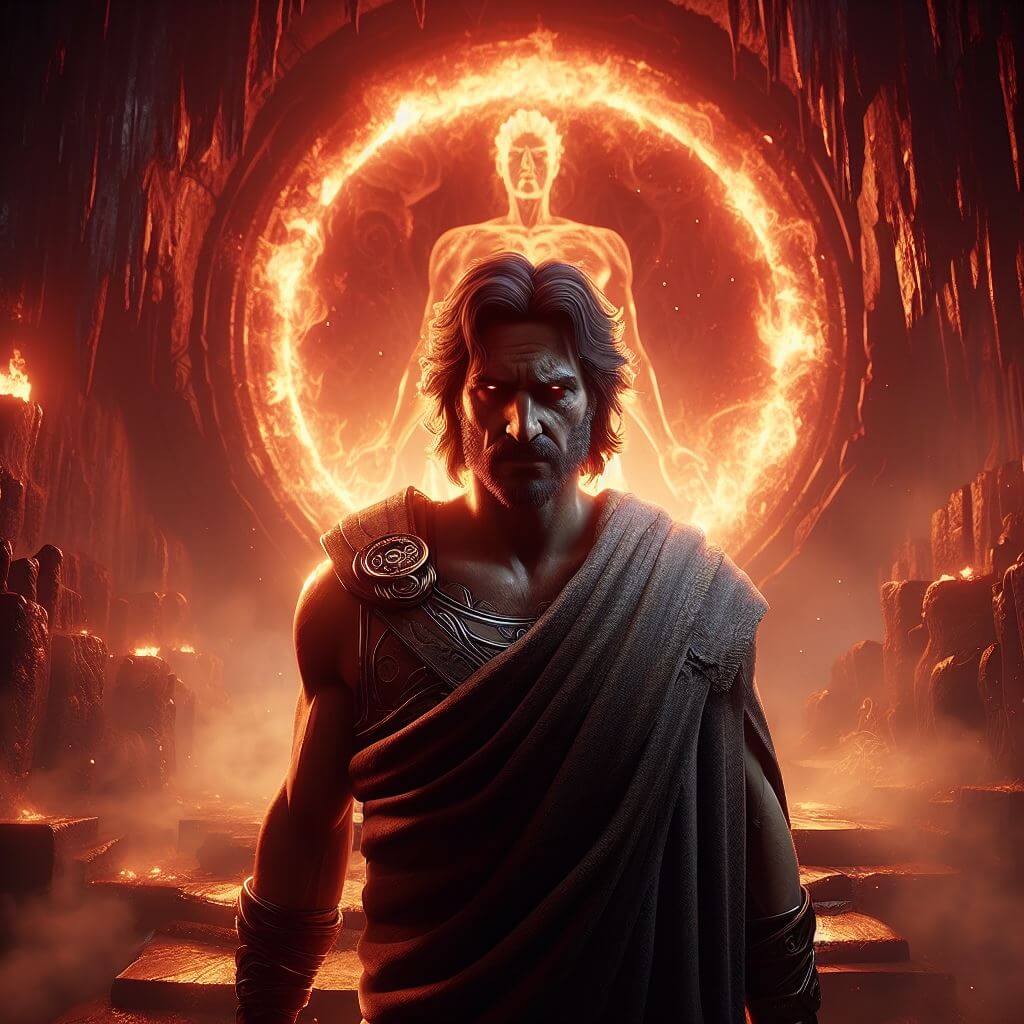 Hades II Makes Its Surprise Early Access Debut [...]
[ Source: Hardcore Gamer ]
TL;DR Gaming News Today
Stray Fawn Studio - Build your sky city and defeat enemy pirates while exploring a vast
landscape in this Open World RPG City Builder, Airborne Empire! Wishlist now on Steam!
[ GameTikker ]
 Lords of the Fallen Publisher CI Games Lays Off 30 More People [...]
[ Source: Insider Gaming ]
Guardian News
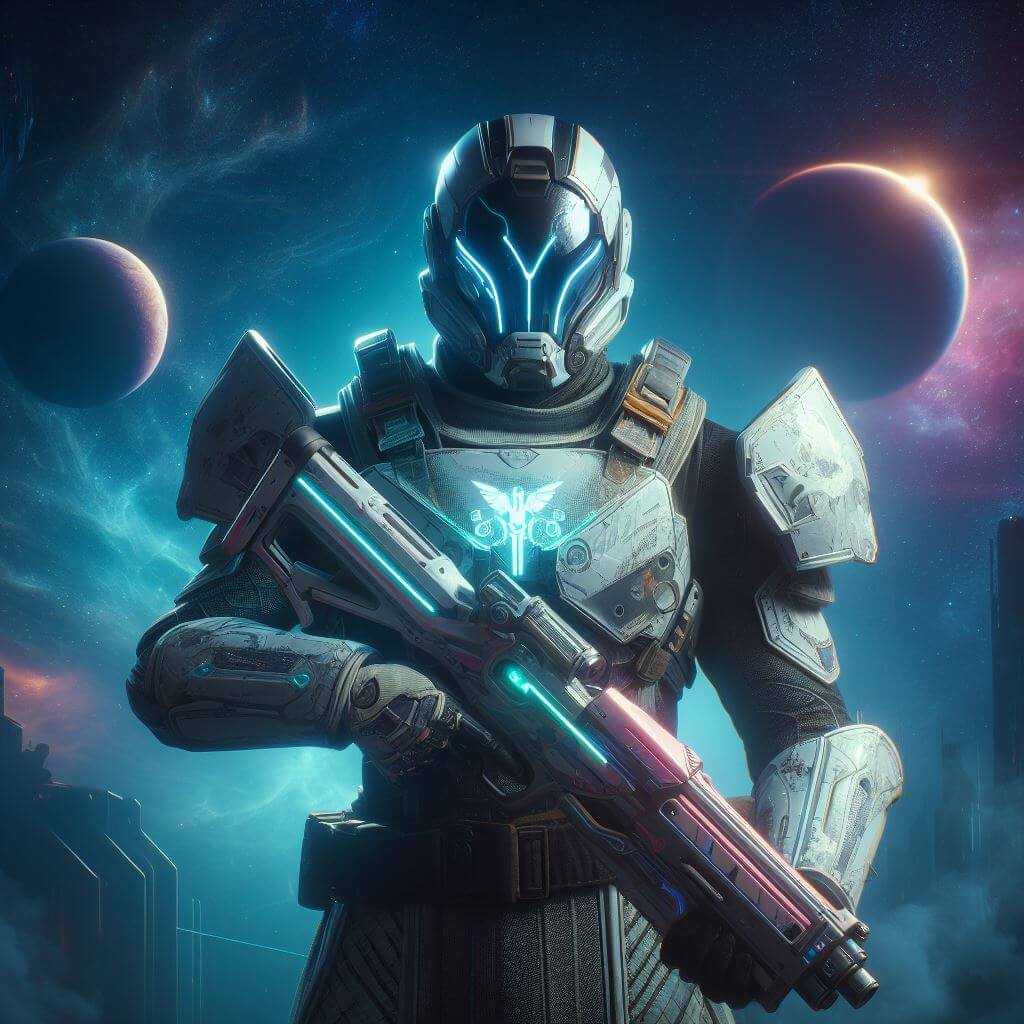
Beyond Light, Shadowkeep and The Witch Queen are now available for all Destiny 2 Players until The Final Shape launches.
The Lightfall Seasons (Season Passes) are also free for all Guardians.
In the Hall of Heroes social space Guardians can grab a full Set of Armor and Weapons at power level 1810 (including exotics).
Guardians can now earn seasonal Deepsight Weapons each day.
[ GameTikker ]
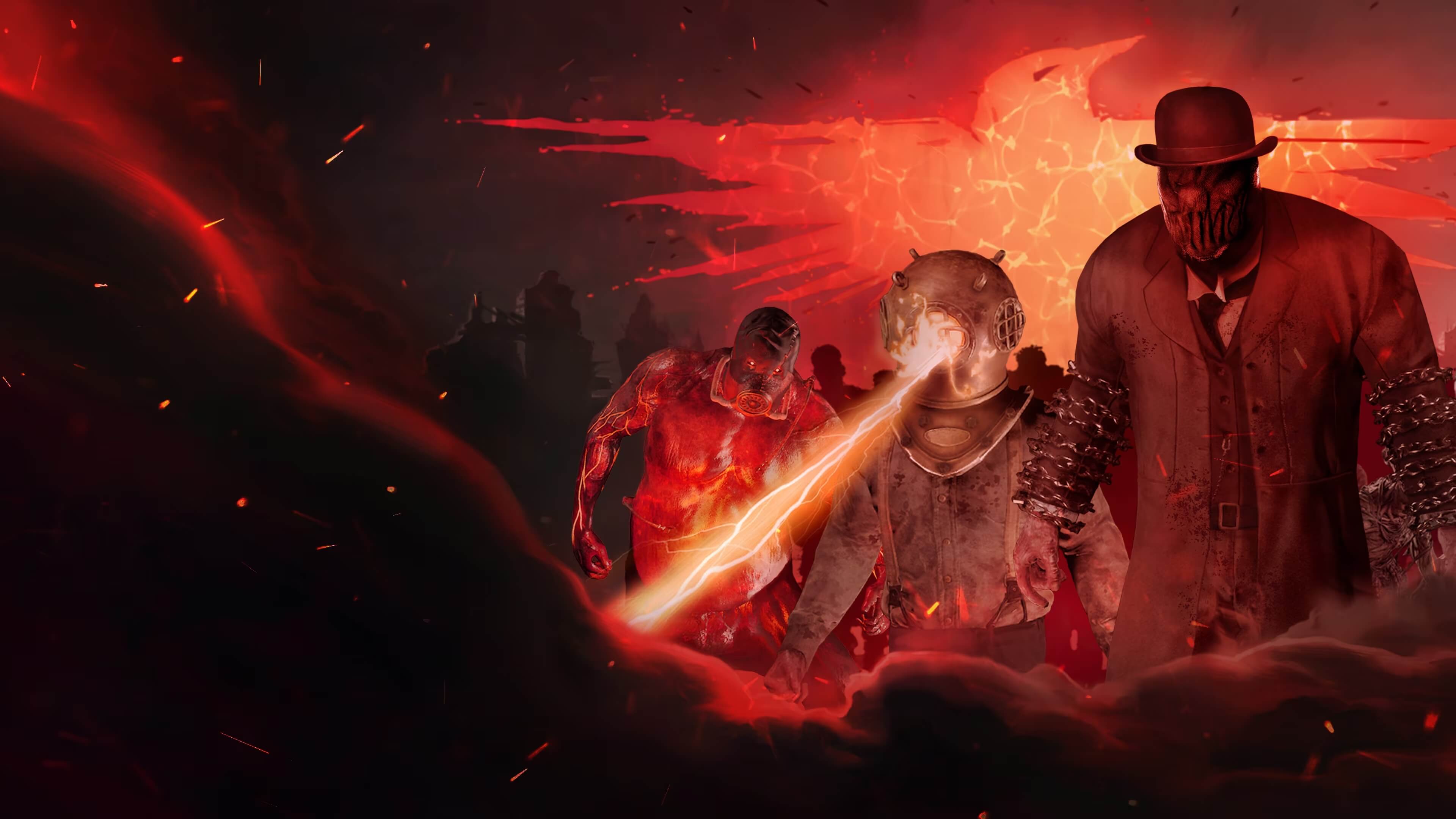 Sker Ritual - Review [...]
[ Source: WayTooManyGames ]
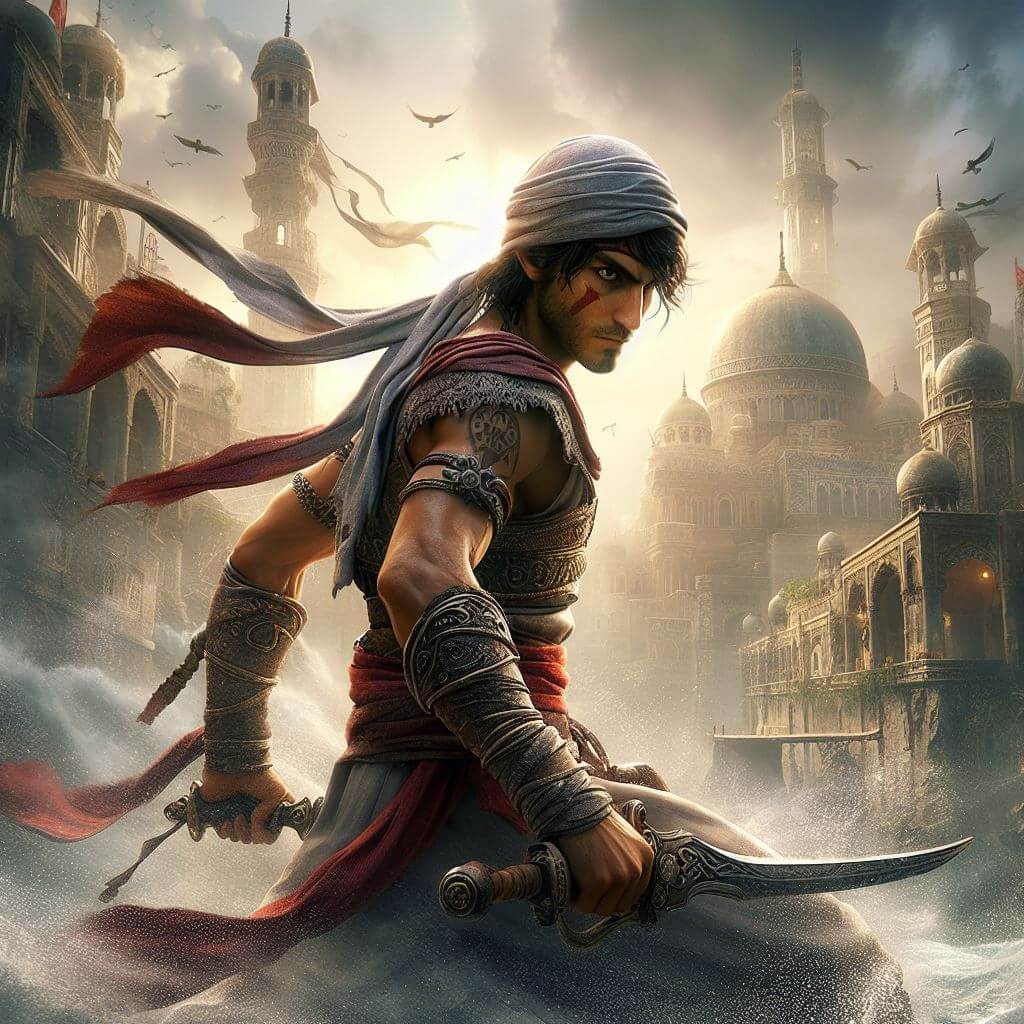 The Rogue Prince Of Persia Is Being Delayed Because Hades 2 Dropped [...]
[ Source: Press Start ]
Gaming Gossip
Microsoft surprisingly shuts down Tango Gameworks, developer of Hi-Fi Rush, The Evil Within and Ghostwire Tokyo.
Fans of Tango Gameworks and their Games are in shock. Arkane Austin was also closed after their disappointing last Release Redfall.
Microsoft and Xbox Studios are now facing serious criticism from Gamers and Developers around the world on Social Media.
[ GameTikker ]
 Two Point Campus Gets Surprise Update Adding New Beat ‘em Up MiniGame [...]
[ Source: Hard Drive ]
TL;DR Gaming News Today
Terra Randoma - Terra Randoma will go into full release on May 23, 2024 after 3.5 years in Early Access.
[ GameTikker ]
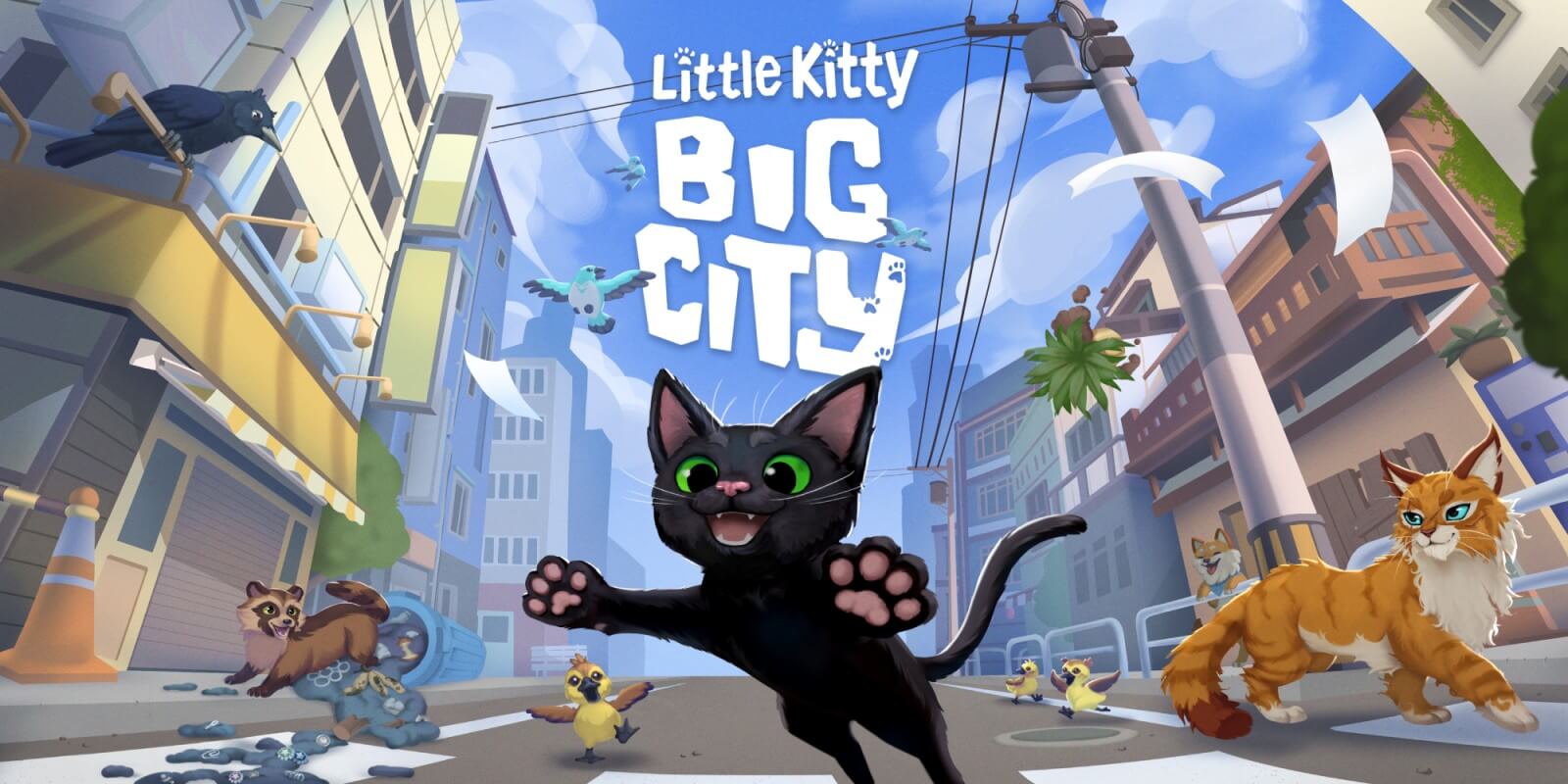 Explore the world of Little Kitty, Big City on Game Pass, Xbox, Switch and PC [...]
[ Source: TheXboxHub ]
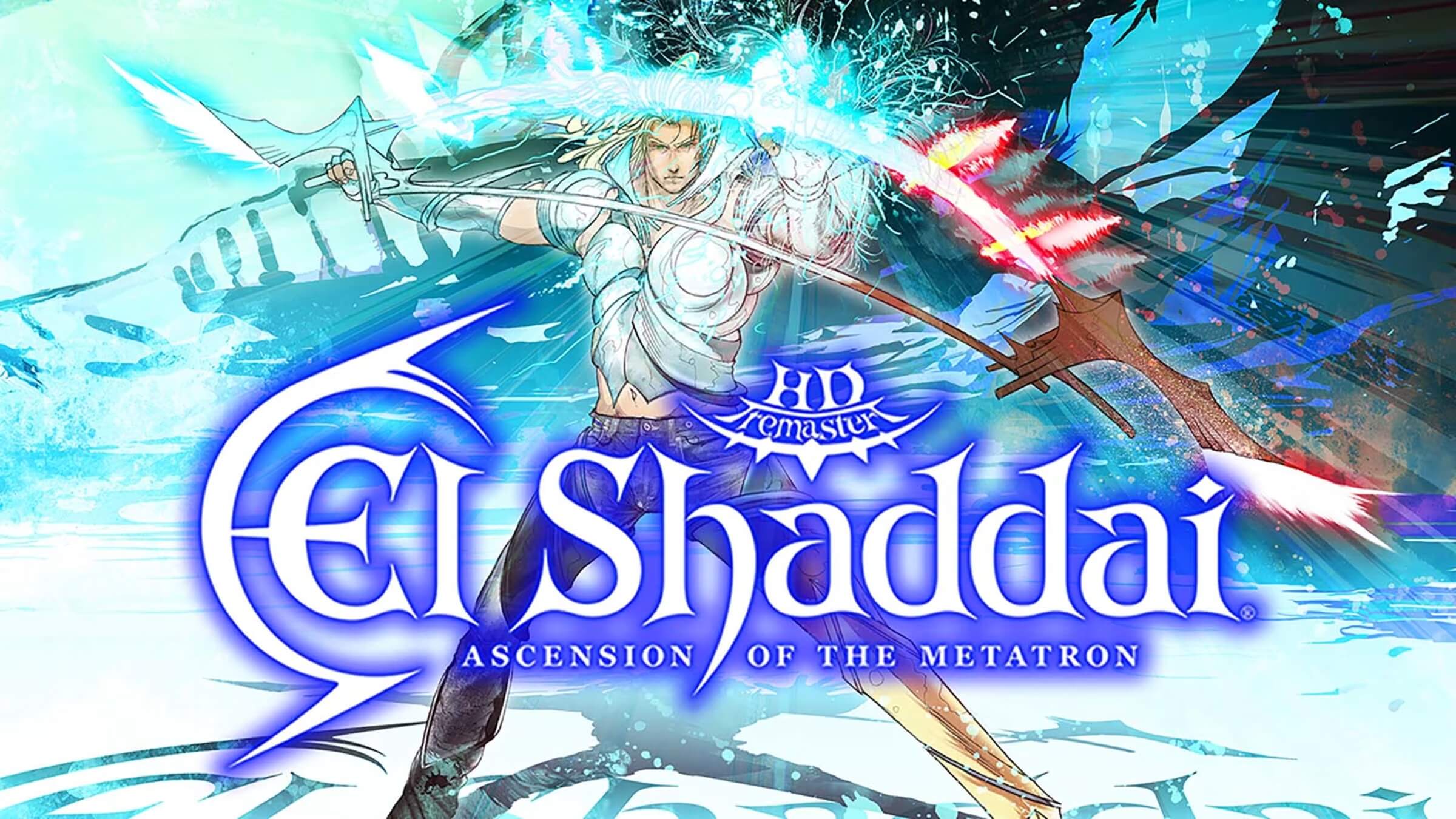 El Shaddai arrives on Switch [...]
[ Source: Entertainium ]
 EA is working on a new Live-Service video game, possibly cross-platform [...]
[ Source: Gamer Stones ]